
The Conversation Everyone Is Afraid Of (Is Usually the One Everyone Needs)

By Trevor Mayoh
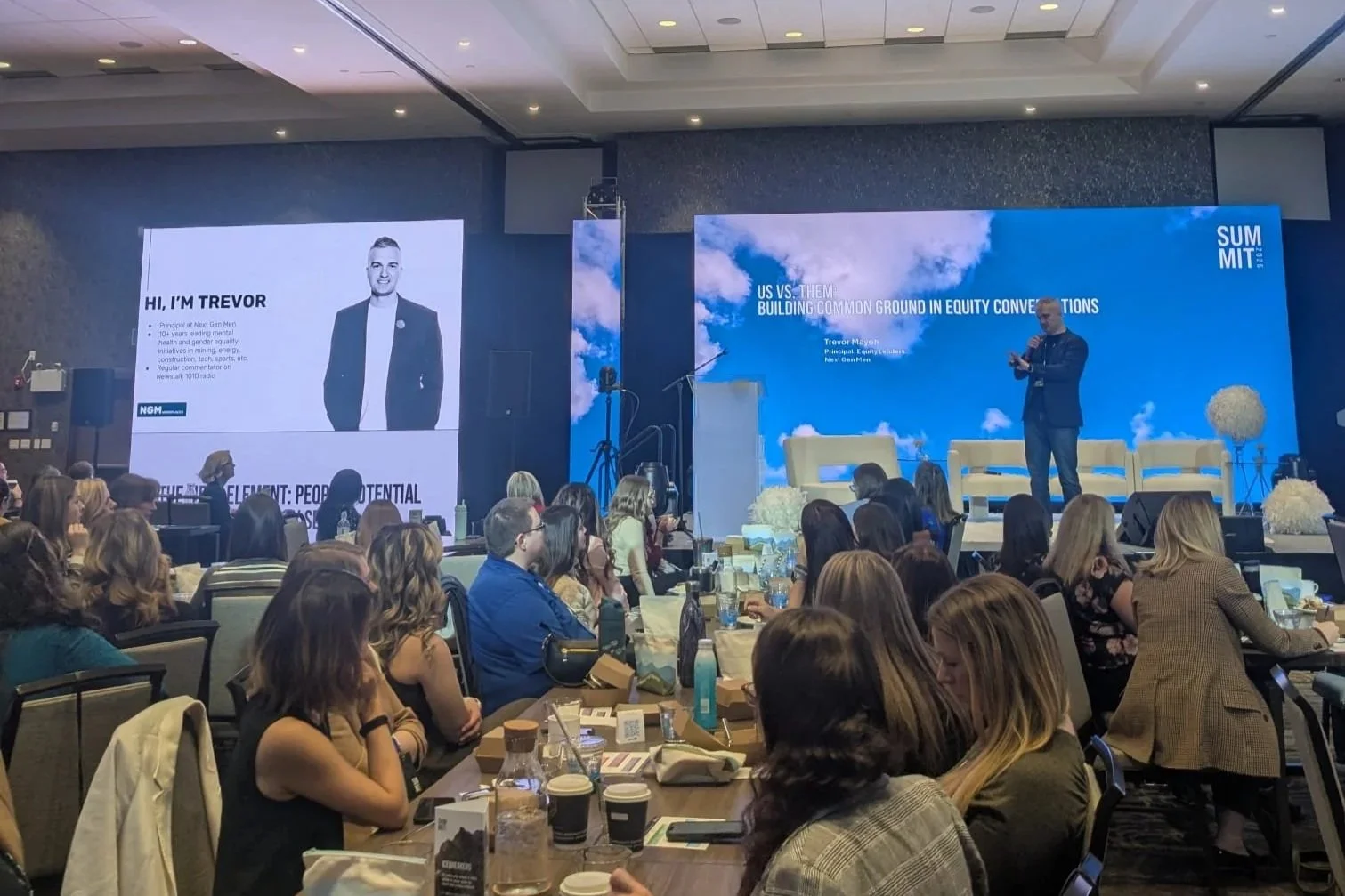
Before I walked into the room, the fear was already there.
I could feel it from the organizers before the participants had even sat down. Leadership worried the session would come off as political, or too far from "actual business." They worried men would hear it as an accusation instead of an invitation—that touching on masculinity, relationships, and how people were raised to see themselves and each other would land wrong. And underneath all of that sat a harder tension: equity-seeking groups inside the organization wondering if the limited dollars they'd fought for were, once again, being spent solely on men. Whether the group that already held the most power was about to take up the room too. And that’s important to name honestly.
It was a lot of fear to walk into, radiating from every direction.
Most organizations, faced with that much of it, do nothing—which is its own kind of choice, even if no one names it that way.
Our Vibe and Why the Entry Point is Everything
Here's what years of doing this work well has taught everyone at NGM: If men walk into a room believing the problem has already been named—and that they are the problem—the conversation is over before it starts. Defensiveness is a normal response to feeling accused, not a character flaw.
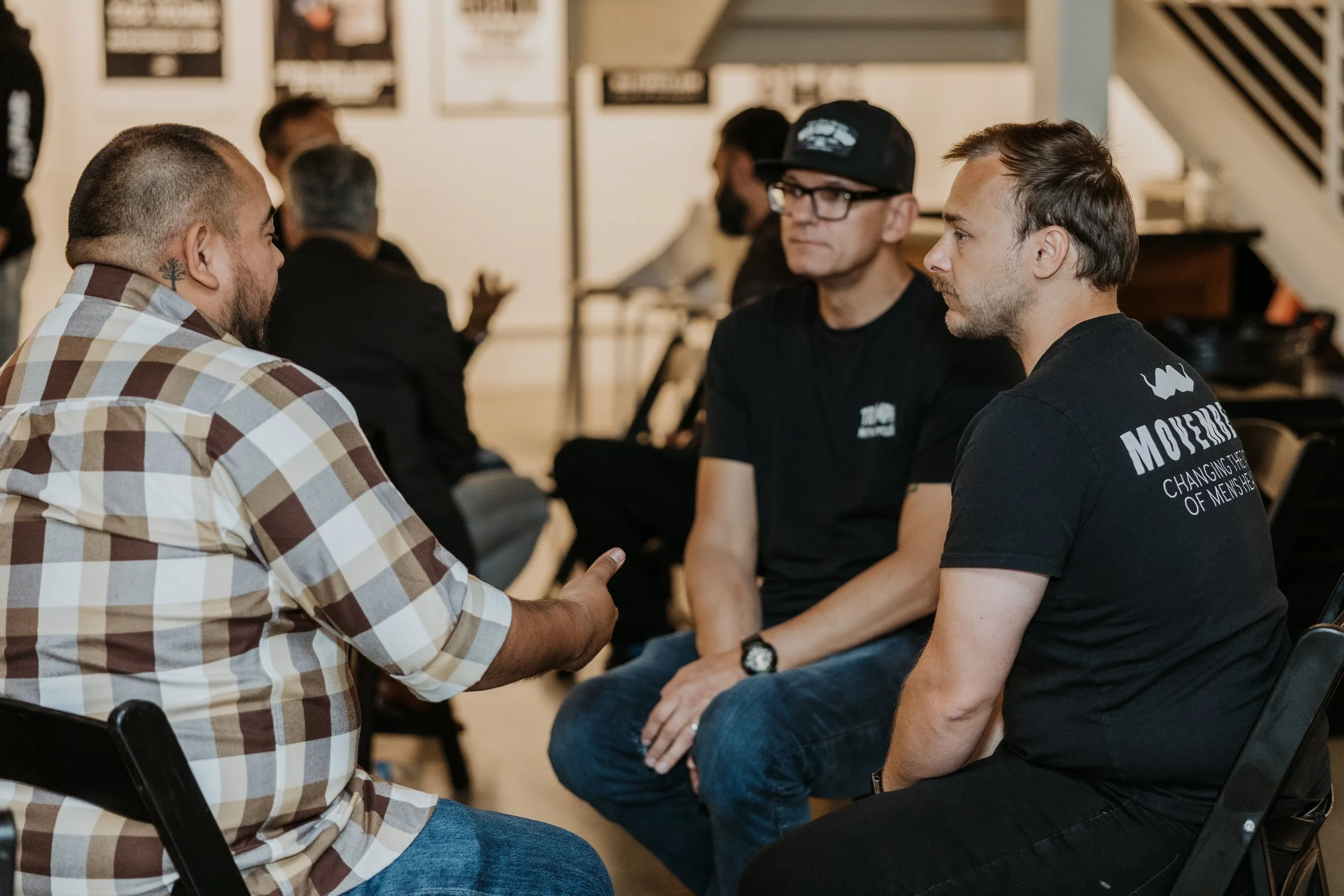
So we don't start there. We start with where most men actually are: carrying real pressure around mental health, identity, and the unspoken rules of how they're supposed to show up at work and at home, often without anyone having acknowledged that out loud before. One participant put it simply afterward:
"It's nice to hear about men's mental health and the things we go through on a day-to-day being acknowledged. Looking forward to more of this."
That’s where the shift takes place. Once people feel met instead of accused, the temperature drops and the walls come down. A lot of men already sense that something isn't quite right, and they're not resistant to change. They're eager. They know they're not alright. They just haven't had the language, the permission, or the room to say so out loud.
That doesn't compete with the equity conversation. It connects to it. Equity-seeking groups are tired of carrying this work alone—naming the problem, explaining it, and still showing up with grace. Bringing men in as stakeholders contributes to that effort.
One woman in the room told me afterward:
“Exploring the challenges men have in the workplace and in general is a topic that may not get the exposure it should. This seminar put it on the forefront… I feel a biannual focus on this topic would be instrumental in the change of culture.”

What Happened After the Session and How the Room Changed
There's a moment from one session I keep coming back to.
The person who'd invited me in—who had put real trust in us to get this right—was visibly anxious before we started.
But by the end, having been in the room, something had shifted. They'd watched everything happen in front of them: people who sit next to each other every day, who solve problems side by side for eight hours, finally talking to each other honestly, some maybe for the first time.
And then a participant left a comment afterwards that said all of this better than I could:
"I really appreciate that as an organization we are able to have these sessions and encourage our values, most importantly authenticity...It’s important to learn about men’s perspectives and struggles to better understand each other."
That’s all I needed to hear.
You could see the relief on our host's face. They'd been afraid of the conversation, and it turned out to be one that everyone needed.
Why This Keeps Happening
I've watched this same pattern play out in boardrooms, on work sites, and in breakrooms across the country. The specific fears shift with the industry and the politics of the moment, but the shape stays the same: people are afraid of saying the wrong thing, of spending social capital they can't get back, and of rocking a boat that looks fine from the outside.
That fear is reasonable, but it leads to paralysis, which often means the conversations never happen.
These conversations are genuinely complicated, and the stakes are real. But left alone, fear doesn't protect anyone. It just keeps the silence going, and the cost lands on everyone: the men with nowhere to put what they're carrying, the equity-seeking colleagues still waiting for the group with more power to show up, and the trust that quietly erodes because nobody was willing to go first.
These are the conversations that everyone is afraid of, but also the ones everyone needs.
Showing Up Imperfectly is Still Showing Up
If you lead people in construction, energy, trades, or any workplace where the culture skews heavily male, you've probably felt some version of that hesitation already—not now, not us, it’s too complicated... That's a fair instinct, and I understand it, genuinely.
But I’d invite you to consider what the cost of waiting looks like. Not just in terms of metrics or retention numbers, but in real human terms, like the men on your team who are struggling and don’t have a place to put it. Or the women and non-binary folks who are tired of being the only ones expected to push for change. And the conversations that are quietly corroding trust because no one has been brave enough to start them.
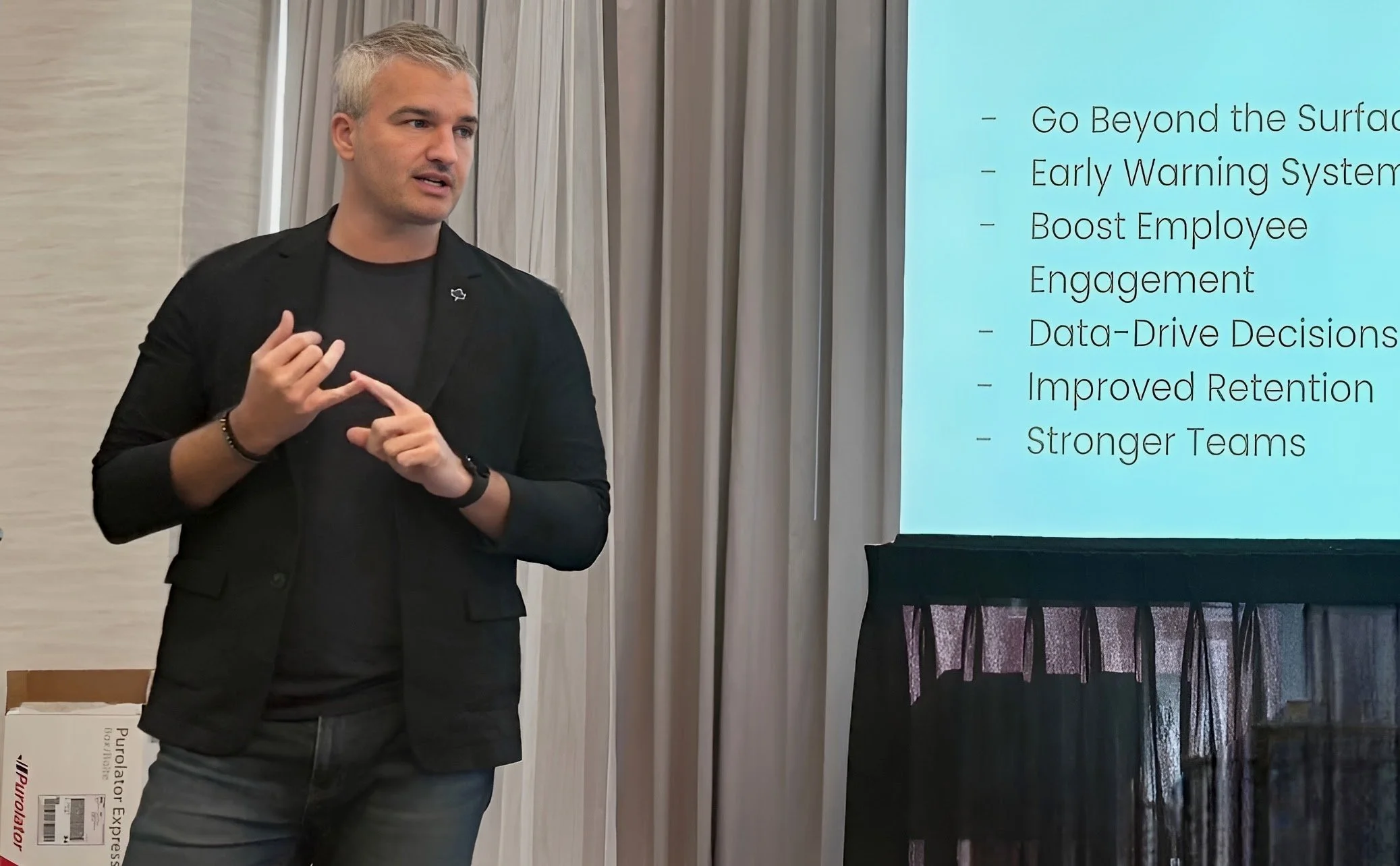
You don’t have to have all the answers. You don’t have to get it perfect. Showing up imperfectly to care for the people on your team is still showing up.
One attendee told me the session gave them something to bring home:
"And to help do my part in how I raise my son to avoid these common toxic beliefs that men don't ask for help or show emotion."
And that's where this work actually starts. Not with a perfect plan – but with willingness to be in the room, and start the conversations worth having.