Posts in Learnings & Unlearnings
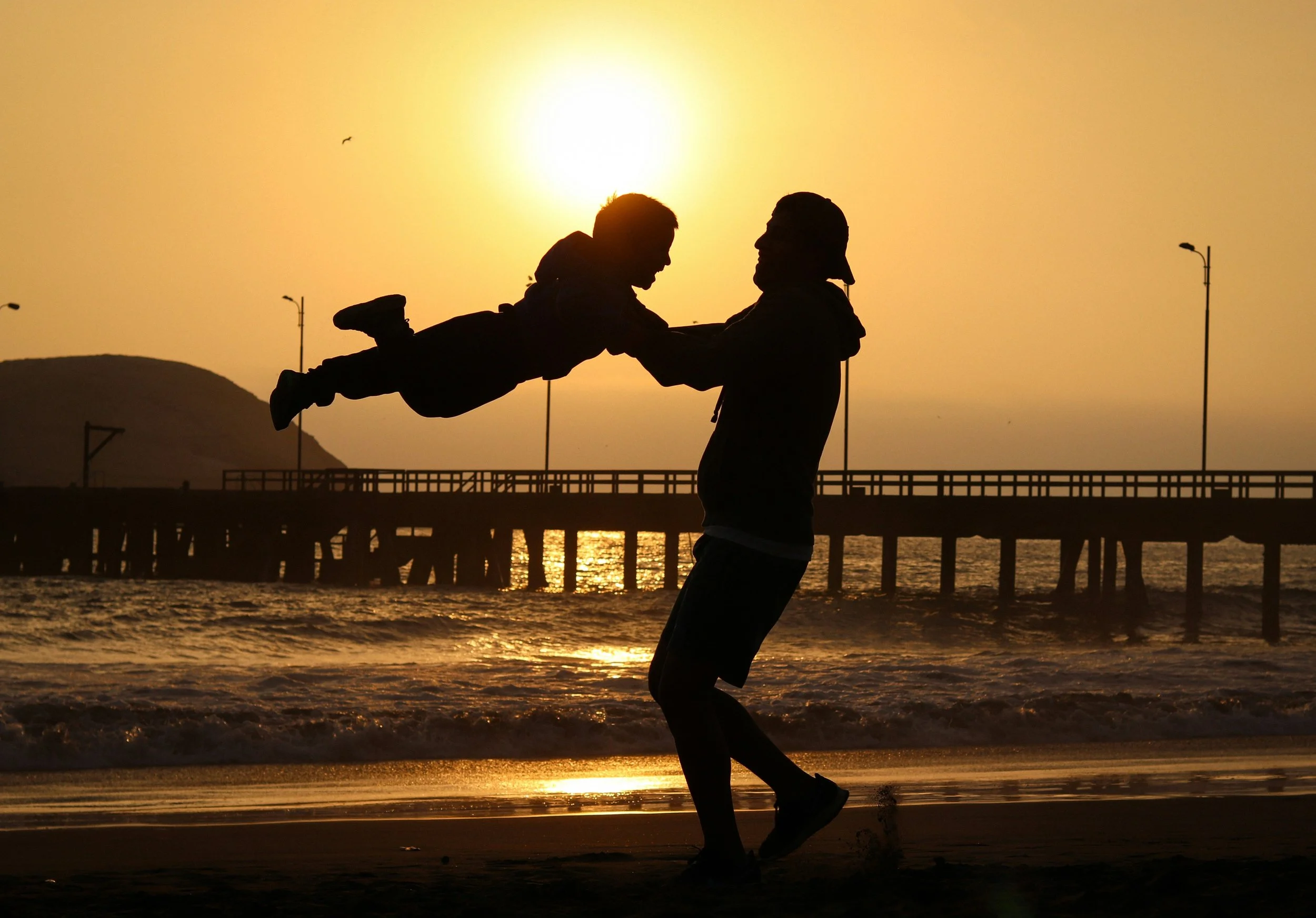
I Saw My Father

I have spent the last four years of my life working on the protection of boys from sexual violence. I literally travelled across the world to learn from front line practitioners how to protect boys and transform their understanding of what it means to be a boy and a man. From Bolivia to Cambodia, then from Namibia to France, I had the privilege to see how these amazing individuals engage with boys and support them in ways that not only protect them, but also liberate them from rigid ideas of masculinity. 

In my travels, I could also see how that same rigid idea is engrained in boys’ minds from a very young age. I have seen how social workers, teachers, community educators, and others, had to come up with new ways and constantly be creative to reach out to boys and show them that an alternative existed. That boys could be vulnerable, that boys could ask for help, and that boys could care

Read More

What Boys Could Be (Not Just What They Shouldn't)

Last week I was listening to The New York Times’ Hard Fork podcast and heard something that got me thinking.

Amanda Askell works at Anthropic, the company that makes Claude. She's a philosopher, and part of her job is shaping Claude's personality. She was talking about a problem they're running into. Claude is learning about itself from the internet. And a lot of what it's reading is negative.

Read More
How to Talk With Boys About Porn (Before the Internet Does)

Kids don’t expect you to know everything. What they’re really looking for is a safe adult—someone who listens without judgment, tells the truth without shame, and makes it okay to be curious. The conversation about porn isn’t just about screens or sex acts; it’s about the bigger things: values, relationships, respect, and safety. It’s a chance to help your son understand the difference between performance and connection, between what he sees online and what he deserves in real life.

Read More
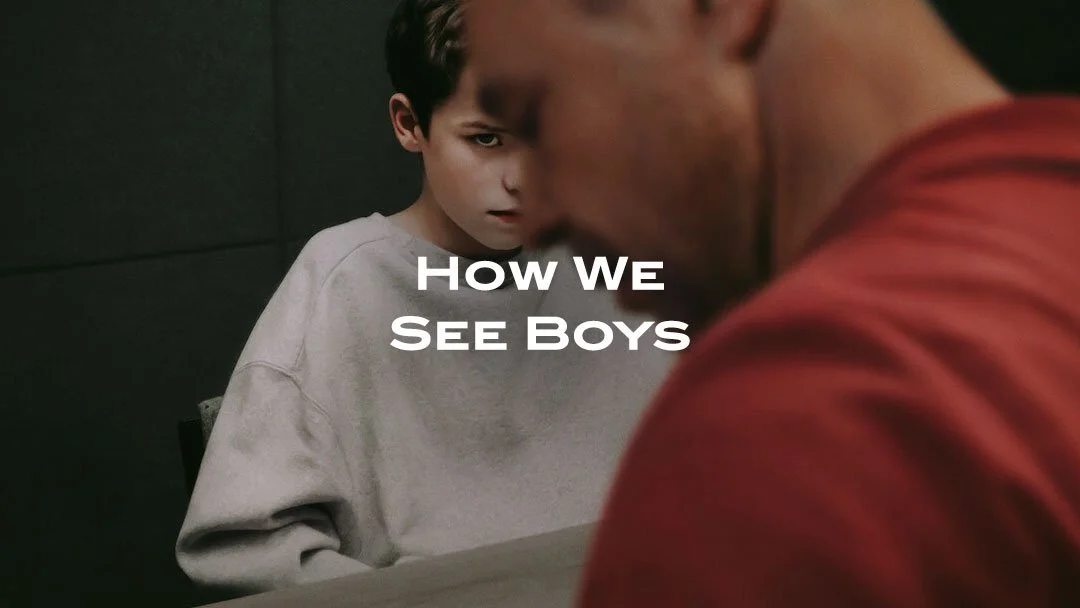
What Netflix’ Adolescence Can Teach Us About How We See Boys

While Adolescence is telling a devastating story, it is also telling a limited one. We see adults acting professionally and adults falling apart, but this show doesn’t show us what curious and compassionate adults look like in the face of boys’ pain and harm. We see angry boys and hurt boys, boys carrying fear and boys bluffing with bravado, but we don’t see the thoughtful, clear-eyed and gentle masculinity that is already being championed by boys who will become the next generation of men.

Read More
Research Report: What We’ve Learned About the Online Lives of Boys Who Are Embracing Positive Masculinity

As part of our ongoing mission to support boys’ well-being, my colleagues and I decided to take on a research project designed to better understand their feelings, stresses and needs. What we uncovered was a surprising distance between their beliefs and attitudes about toxic and positive masculinity, and their lived experiences—particularly online.

Read More
6 Things Educators Should Know About Positive Masculinity

It’s not for no reason that we dedicate ourselves to the next generation of men—and we don’t take the educators in their lives for granted. You are their champions, their stewards and their witness.

For every time I’m invited to be part of a professional development opportunity, for every time that Next Gen Men’s resources are downloaded and used in schools, and for each and every thing that you, who are reading this, do to engage boys in the movement for gender justice, thank you.

Read More
How Driver’s Ed Can Inspire the Way We Teach Consent to Middle School Boys

We do young people a disservice by operating under the assumption that a list of warning signs or an affirmative acronym will be enough to help them effectively communicate within healthy relationships. Instead, we need to engage boys in open and honest conversation about what is difficult, challenging or confusing for them with regard to consent—beyond just stop signs.

Read More
What We Know About Boys and School Shootings

What came to the fore in Columbine in 1999 has become a pattern of violence that stems from the disconnection, aggrieved entitlement and rage rebellion of vulnerable boys and young men. To change that, we need to look with our eyes wide open at the ways young people navigate the violent tenets of masculinity, and we need to empower boys themselves to become leaders of the change we so desperately need.

Read More