Posts in Reflections
The Tragic Tale of Boys’ Closeness

It comes back to parents, the primary protection for growing boys and their closest model for what it means to be authentically connected to others. It lives within schools, where boys learn the script for manhood and navigate their resistance to it. And more than anywhere else, it unfolds in the inner lives of boys: in the unseen depth of their friendships and shared secrets, in the quiet breathing as they fall asleep, in their ability to say the words that are too often left unsaid.

Read More
Hope for a Healthier Hockey Culture: How it is Changing & How We Can Help

There is no panacea to fixing hockey culture. It will take a multi-pronged approach of various methods and programs at all levels. The good news is the work has already begun. 

There is a future where instead of insular conformity, hockey culture is centered around a unified desire to make the game safe, exciting, and enjoyable for us all.

That’s the future I am hoping for.

Read More
Prescribed Pain: How a Culture of ‘Toughness’ Hurts Hockey

 Sports are never stagnant. There is no ‘natural’ state of the game. 

Whether you’re talking about tennis, basketball, football, soccer, or hockey – any GOAT (Greatest Of All Time) debate will inevitably feature hypotheticals about how stars would have fared in different eras. Things can and do change.

What needs to change next is the culture of playing through injury.

Read More
Assisting Abusers: How Hockey's Approach to Harm Prevents Accountability

What’s the problem with patriarchal ideas about masculinity and exclusionary ideas about who belongs in hockey? In short, these attitudes shape what kind of behaviour we see on and off the ice, who is upheld as role models, what kind of conduct is excused or overlooked (and from whom), and why there is so much fear about speaking out against abuse.

Read More
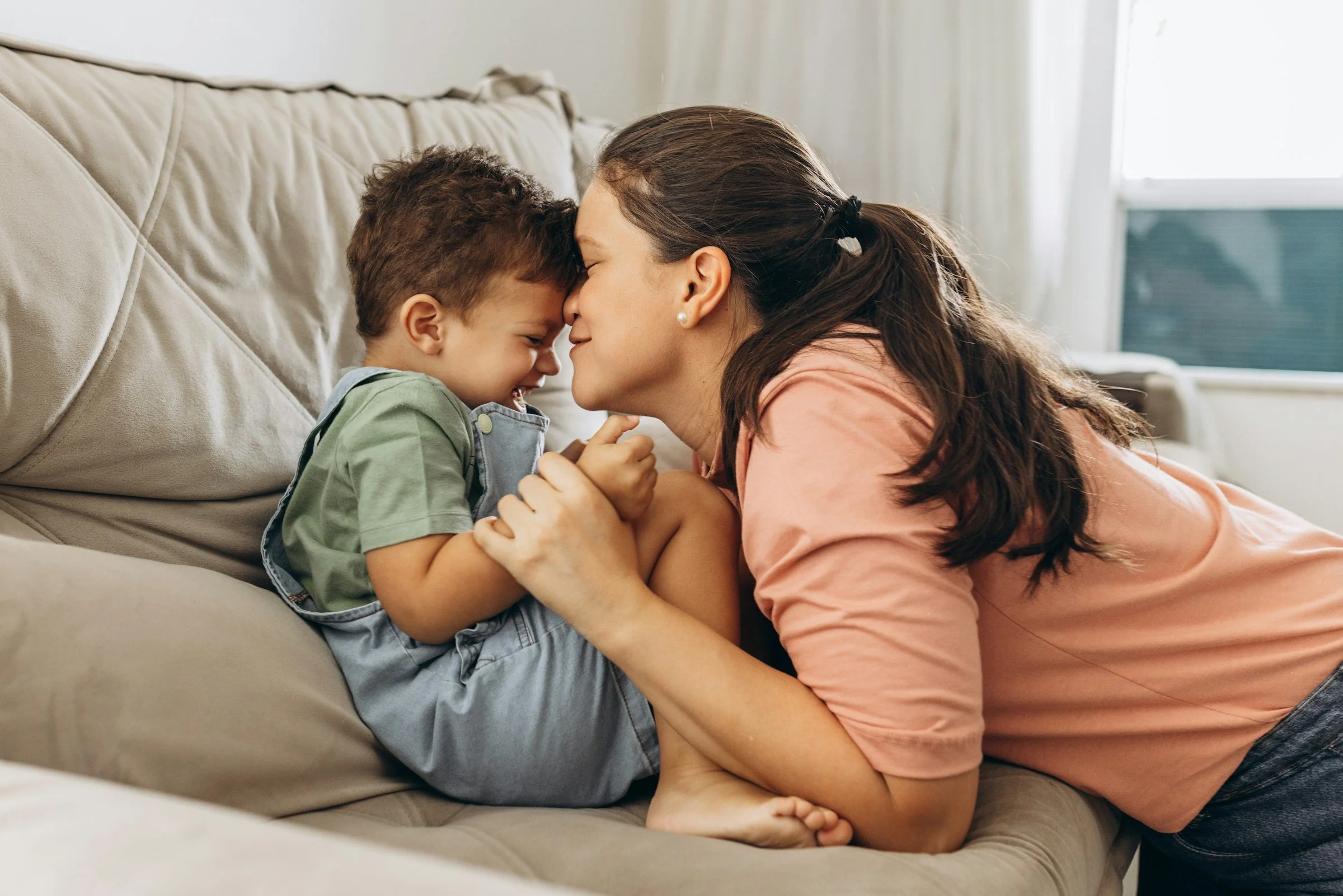
Can We Reclaim “Mama’s Boy?”

The connotation of “mama’s boy” has generally been negative, irrespective of which scenario people are referring to. “Mama’s boy” has historically been used as an insult, typically challenging the masculinity of the boy or man to whom it is applied. 

We’re going to break down the term “mama’s boy” and consider whether it’s a term that can be reclaimed, or if it should be abandoned altogether.

Read More
The Role Of Men In Ending Violence Against Indigenous Women

Men have a powerful role to play in ending violence against Indigenous women and girls in Canada. As fathers, brothers, sons, friends, colleagues, and partners – we occupy many roles of power and influence as coaches, managers, teachers, and bystanders. There’s always something in our power to stop violence before it starts.

Today, we provide some ideas for men to deepen their knowledge and recommit to building a safer world.

Read More
How Does Negative Self-Talk Impact Our Ability to Care?

Many of us struggle with criticizing, belittling, and judging ourselves. We’ll tell ourselves negative stories like “I’m stupid”, “I’m not good enough” or “I don’t deserve them”. But does our negative self-talk truly serve us and our communities in our journey toward equity? Does trashing ourselves lend itself well to belonging, connection, or taking an active role in improving our communities? Probably not — so what’s the alternative?

Read More
How can learning to name our emotions help us?

Imagine building a deck and all you had was a hammer. 

It’d be a pretty wonky-looking thing since you weren’t able to cut the boards, sand them, or all of the other myriad things needed to bring it together. 

It sure would be great if you had more tools…

What if that hammer you’re holding represents an emotion? And that one emotion that you’re given to solve the complex situations life throws at you is anger?

When all you’ve got is a hammer, everything starts looking like a nail.

Read More
Why are so many men lonely?

“Do you reach out to people?” I ask him. “Sometimes,” he replies, “but I know people are busy and I don’t want to bother them”. 

Part of his feeling lonely is also his desire to not feel like a burden. So many men are socialized to believe that they shouldn’t need anyone, that they should be tough, strong, and independent. 

That’s not how we’re wired though. 

Humans — regardless of gender — are wired for connection. 

Read More